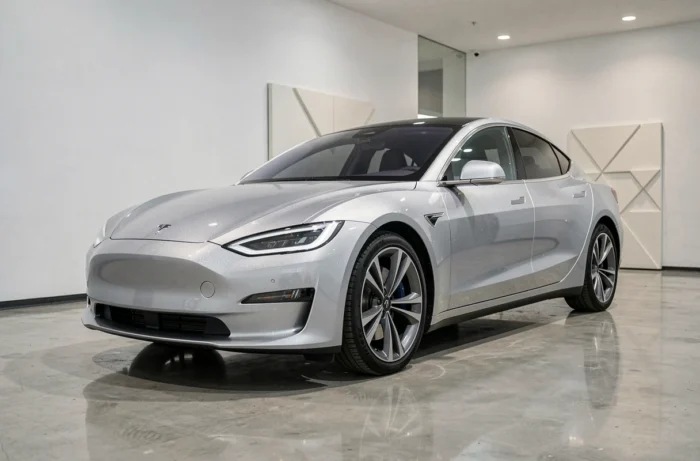
The European automotive market is undergoing a rapid reshaping of its powertrain mix. Battery electric vehicles reached a 22.7% market share in the first nine months of 2026, according to ACEA, while petrol and diesel continue to decline structurally. This shift is reshaping industrial strategies, supply chains and the regulatory framework at a pace not seen in the sector since the introduction of the catalytic converter.
Euro 7 standards and revised CO2 targets: what’s changing for manufacturers
European regulations now extend beyond the traditional limits on nitrogen oxides and exhaust particles. Brake particle emissions and tyre abrasion are now covered by the requirements, prompting a redesign of braking systems and more rigorous selection of tyre compounds.
CO2 targets for light vehicles remain demanding. R&D budgets are shifting towards electrification and low-carbon materials. Optimising combustion engines is becoming less profitable under this combined pressure, and model ranges are gradually moving towards very low-emission powertrains.
Following Bin News automotive news makes it possible to track in real time how these regulatory changes are affecting manufacturers’ model ranges and list prices.
Batteries and supply: the bottleneck in the electric vehicle market
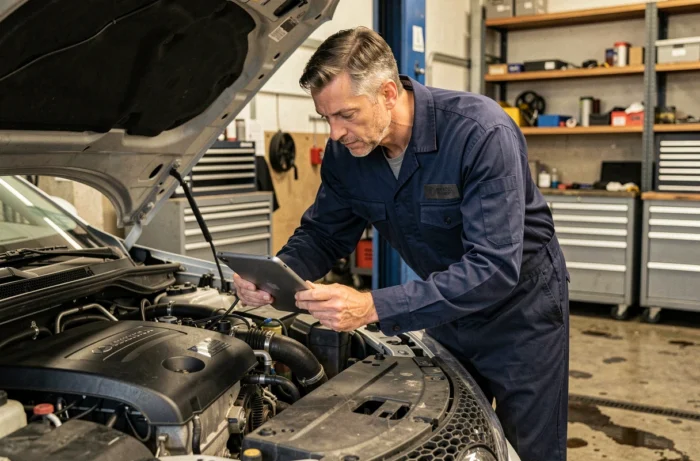
Rising electric vehicle sales are exposing weaknesses in the battery value chain. The issue is no longer just the capacity of cell production lines. Securing upstream supplies of raw materials (lithium, nickel, cobalt and manganese) is what will determine the industry’s trajectory.
European gigafactories currently ramping up production will not meet demand as long as extraction remains concentrated in a limited number of supplier countries.
Cathode chemistry is becoming more diverse. LFP (lithium iron phosphate) cathodes are gaining ground in Europe’s mid-range segments. Their energy density remains lower than that of NMC chemistries, but lower production costs, thermal stability and the absence of cobalt offset this limitation.
Cathode chemistry now shapes a vehicle’s market positioning far beyond its range alone. The choice of chemistry affects price, warranty length and residual value. These factors have a direct impact on the used-car market and leasing offers.
Battery recycling and second life
Hydrometallurgical recycling capacity is increasing, but collecting end-of-life batteries remains a logistical bottleneck. Reusing batteries for stationary storage before recycling extends the useful life of battery packs and improves the electric vehicle’s overall carbon footprint.
Differences in electric vehicle adoption across Europe
Electric vehicle uptake is not uniform across the continent. ACEA data and Eleport’s analysis for the third quarter of 2026 confirm that Germany, the United Kingdom and France account for the majority of Europe’s electric vehicle registrations. Several factors combine to explain these differences:
- The level and duration of purchase incentives (environmental bonuses, scrappage schemes and tax benefits for fleets) vary considerably from one country to another, directly affecting adoption rates.
- The density of public charging networks sets a well-connected north-west apart from southern and eastern markets that are still underserved.
- The size of the used combustion-engine car market slows the transition where average purchasing power is lower, as used electric vehicles remain scarce and expensive.
This multi-speed market forces manufacturers to adjust their volume allocations and pricing structures to reflect each country’s regulatory and infrastructure maturity.
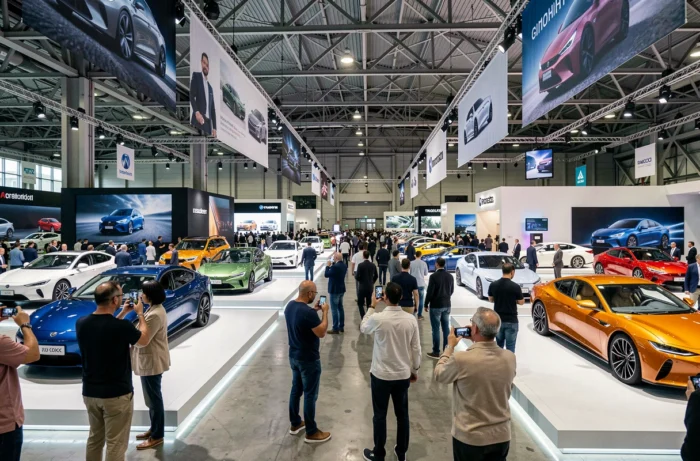
Hybrids: the transition option that all-electric vehicles have yet to replace
Hybrid powertrains (HEVs and PHEVs combined) remain the best-selling powertrain type in the European Union. The figures do not show a direct shift from combustion engines to all-electric vehicles. Hybrids serve as a technological and commercial stepping stone for motorists without access to home charging or who regularly travel long distances.
Plug-in hybrids present a specific challenge: the gap between certified and real-world fuel consumption depends on how often drivers actually recharge the battery. New measurement methods and onboard monitoring devices are narrowing this gap, but the environmental credentials of PHEVs remain a subject of debate among regulators.
Semiconductors: lessons learned, but the problem is not solved
The semiconductor crisis has pushed manufacturers to shorten their supply chains and negotiate direct partnerships with chipmakers. Integrating more features into fewer chips has become a key development priority. Shortages of certain specialised components persist, even though delivery times have returned to normal.
Competition in the automotive industry is shifting. Control of the battery supply chain, regulatory compliance and access to electronic components determine whether a manufacturer can maintain its volumes and margins. The coming quarters will show whether the acceleration in electric vehicle adoption seen in 2026 can withstand macroeconomic uncertainty and the price adjustments that the gradual withdrawal of public incentives could trigger.


