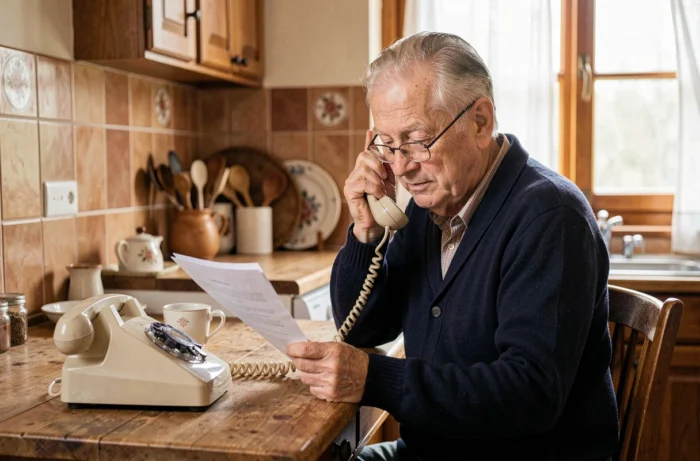
A retired SNCF employee is trying to view their travel benefits on the services-aux-retraites.sncf.com portal. After three password attempts, the account is locked for thirty minutes. The login issue is resolved, but the real difficulty begins: should they call the family services agency or the CPR to sort out the administrative issue behind it? This uncertainty about where to turn is the first practical obstacle when trying to resolve an issue with SNCF retiree services.
Problems logging in to the SNCF retiree portal: separating technical issues from administrative ones
The services-aux-retraites.sncf.com portal requires users to log in with their SNCF employee number and password. After three failed attempts, the site locks the account. You then have to wait thirty minutes before trying again.
This technical lockout often masks a deeper problem. If the password works but the account shows incomplete information (missing travel benefits, an unavailable certificate), the issue is no longer with the login. It’s a case of the request being directed to the wrong department.
Before picking up the phone, you can save time by checking two things. First, make sure the temporary lockout has expired: some characters look alike (a lowercase “l” and an uppercase “I,” for example), which can lead to repeated typing errors. Next, try the “forgot password” feature on the login page, provided you have already entered your employee number. If the problem persists after these checks, the issue is no longer with the portal but requires help from a staff member.
To find out who to contact, there are two possibilities. For a social benefit, a family certificate or a document related to payroll, contact the family services agency.
For pension calculations, employment history statements or a dispute over the amount of your pension, contact the Caisse de Prévoyance et de Retraite (CPR). So, when you want to contact the SNCF retiree services family agency, first identify the exact nature of the issue to avoid being sent to the wrong department.

SNCF family agency or CPR: get your request to the right place the first time
A common mistake is to send a generic letter “to SNCF retiree services” without specifying the recipient. The letter gets passed between departments, doubling the processing time.
The payroll and family agency handles benefits related to everyday life: travel benefits, changes in family circumstances, and requests for supporting documents related to past employment (payslips, certificates). The CPR, on the other hand, manages the retirement pension itself: its amount, payments, adjustments and employment history statements.
A simple check can help you decide where to turn:
- If you need a document you received while working (a payslip or employer certificate), contact the family agency.
- If you need a benefit linked to your status as a retired railway worker (a travel card or family fares), contact the family agency.
- If your request concerns the amount paid into your bank account each month, a record of your qualifying quarters or a challenge to a calculation, contact the CPR.
- If your request concerns a caregiver or a beneficiary who is not listed in the file, contact the family agency to update the information, but contact the CPR if this affects a survivor’s pension.
This initial check helps avoid a situation where a retiree calls the CPR for old payslips and gets referred to the family agency, losing several days in the process.
Phone, mail or online account: choosing the right channel for your situation
The best way to contact the family agency depends on how urgent the matter is and what kind of document you need to send. Calling is still the quickest way to get a straightforward answer or find out the status of an ongoing case. Call volumes vary, but calling mid-morning (between 10 a.m. and 11:30 a.m.) or early afternoon tends to mean shorter waits.
Postal mail still has a specific purpose: sending original supporting documents or paperwork that requires a handwritten signature. In this case, sending it by registered mail with acknowledgment of receipt provides proof of the mailing date, which can matter if there is a dispute over processing times.
Prepare your call or letter to avoid unnecessary back-and-forth
Whichever channel you choose, prepare three things before getting in touch:
- Your SNCF employee number, which serves as a unique identifier across all internal systems. Without it, the person handling your request cannot access your file.
- A one-sentence summary of your request, specifying the exact document or benefit you need. “I’d like copies of my 2008 and 2011 payslips to complete my retirement file” works better than “I need some documents.”
- References from any previous letters or emails you received from the department, so they can pick up where the process left off.
A clearly presented request reduces the risk of being asked for missing documents, the main reason processing times get extended. If you send a scan, make sure it is legible: a blurry or cropped document will be rejected during digitization.

Following up and escalating a request when the SNCF family agency does not respond
Response times from the family agency can be unpredictable. They vary depending on the time of year (the months following the annual travel benefits campaign are busier) and the complexity of the case.
If you have not received a response after several weeks, follow up through the same channel you used for your initial request, stating the date of your first contact and exactly what you asked for. Switching channels between the initial request and the follow-up creates a new case instead of adding to the existing one.
For sensitive situations (a caregiver who needs to travel with the retiree, or a beneficiary not recognized by the system), the France Services network can act as an intermediary. These service centers, located throughout France, help people with administrative procedures and can help clarify a stalled request or identify the right contact when the distinction between the family agency and the CPR is unclear.
The final option is to send a registered letter to the director of retiree services, including a complete record of all previous correspondence. This level of escalation is only warranted after at least one follow-up has gone unanswered and you have a written record of each step.


