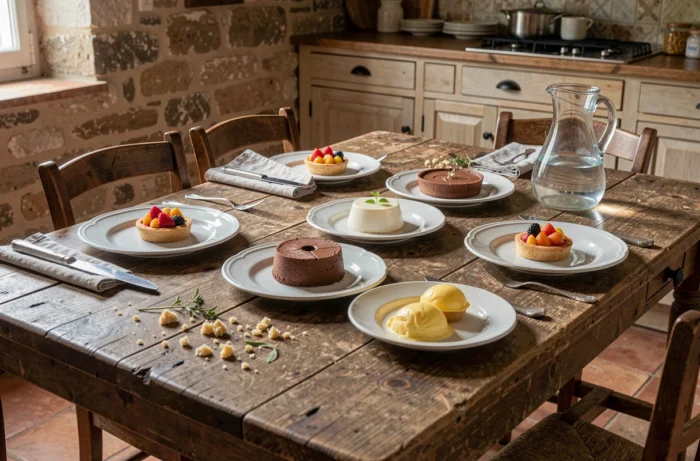
Pot-au-feu is a slow-cooked dish, rich in gelatin and meat fat. The dessert that follows should cut through that richness with freshness, acidity or a light texture.
When the main course is served late or in generous portions, a fruit-based dessert prepared in advance and served in small portions helps keep the end of the meal from feeling too heavy. In winter, apples, pears, kiwis and clementines are locally available and make an ideal base for a seasonal dessert without resorting to a creamy pastry.
1. Light red berry dessert
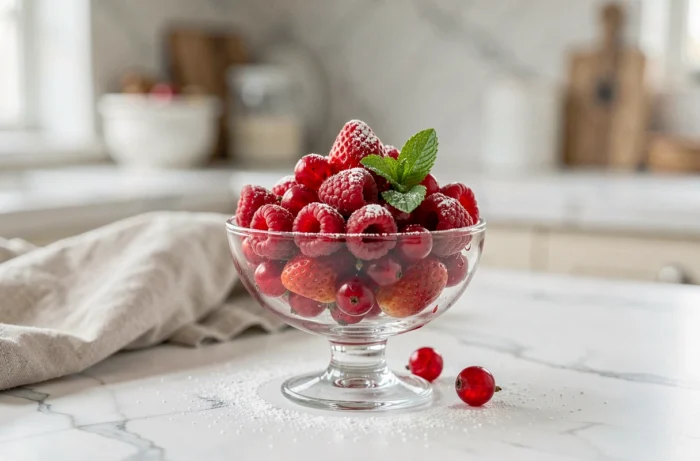
A red berry dessert, whether served in a glass, as a coulis over fromage blanc or as a chilled soup, brings a bright acidity that cleanses the palate after the richness of the broth. Raspberries, redcurrants and blueberries work just as well fresh as frozen, making them available all year round.
It takes just a few minutes to prepare. A coulis blended the day before can be kept in the refrigerator and poured at the last minute over a base of yogurt or whipped fromage blanc. Served in a small portion (a glass or ramekin), this dessert rounds off the meal without leaving you feeling weighed down.
To find out which dessert to serve after pot-au-feu, choosing a seasonal fruit is the first thing to consider.
2. Vanilla panna cotta
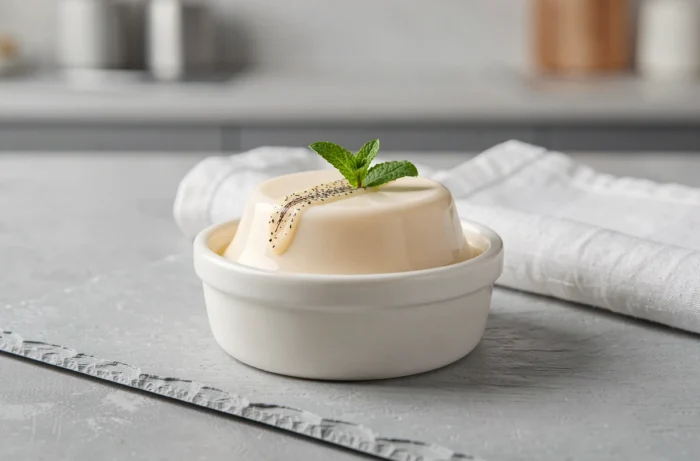
Panna cotta is made from a mixture of cream, milk and gelatin, set in the refrigerator. Its delicate, almost airy texture contrasts with the hearty consistency of pot-au-feu. Vanilla adds a mellow note without making it too rich.
This dessert can be made the day before, making it ideal for a dinner where pot-au-feu takes up most of the cooking time. Once unmolded or served in its dish, panna cotta requires no last-minute effort. Pair it with a clementine or kiwi coulis for a fresh winter touch.
3. Airy chocolate mousse
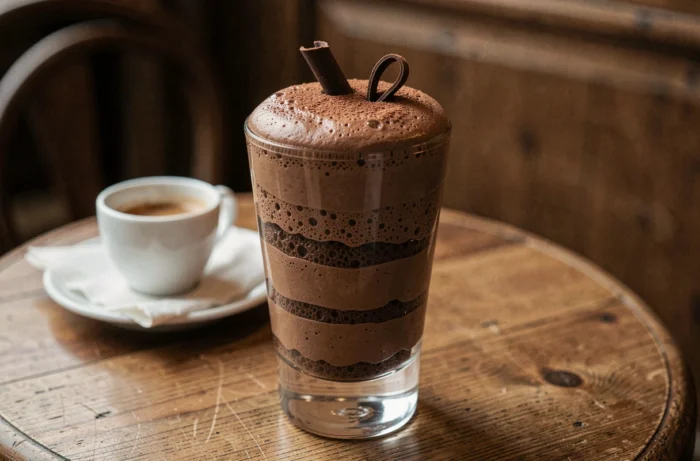
Chocolate mousse gets its lightness from egg whites beaten until stiff, which trap air in the mixture. Served in a small portion (half a ramekin is enough after pot-au-feu), it satisfies a craving for something sweet without feeling heavy.
Dark chocolate with a high cocoa content gives an intense flavor with less sugar. The mousse can be made several hours ahead and stored covered in the refrigerator. No cooking, no oven: this is an easy dessert to round off the meal, not a baking project.
4. Lemon sorbet
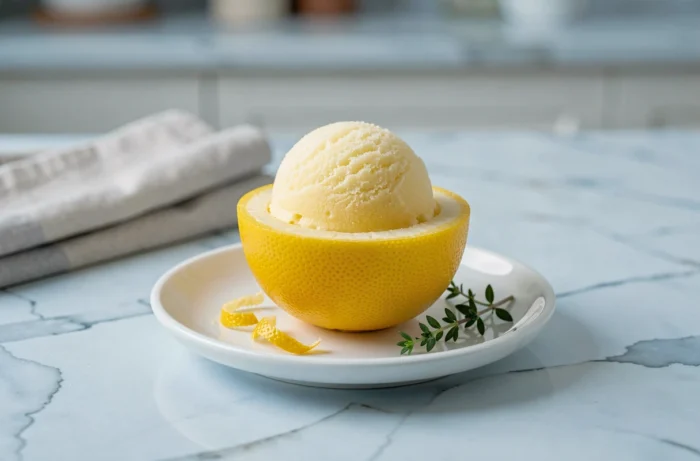
Lemon sorbet is probably the sharpest contrast to a rich dish. Its acidity and icy temperature provide a crisp finish. It contains neither cream nor eggs, making it the lightest dessert in this selection.
If you don’t have an ice cream maker, you can make sorbet at home by freezing a mixture of lemon juice, water and sugar, then scraping it with a fork every hour. The result, a granita, serves the same purpose. A mint leaf or a little grated zest is all you need to finish it.
5. Fresh fruit salad
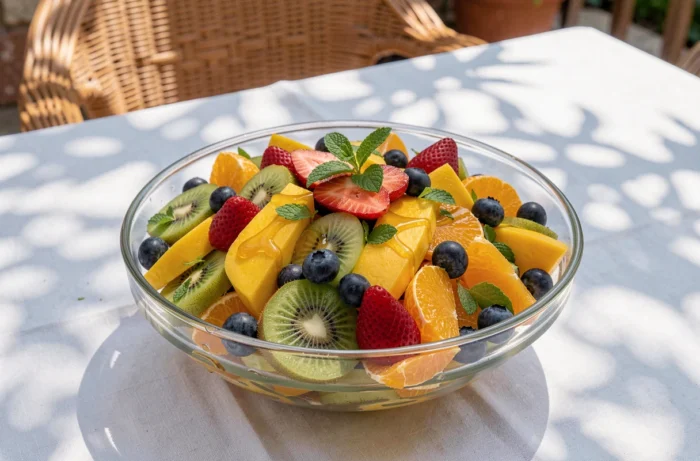
In winter, a salad of apples, pears, kiwis and clementines makes the most of locally available storage fruit. What is in season depends on the location and the conditions that year, but these four fruits are among the easiest to find at French markets during pot-au-feu season.
A squeeze of lemon juice prevents browning. A drizzle of honey or a few pomegranate seeds add color and crunch. Whole or sliced fruit is often a better choice than a creamy dessert when the goal is to end the meal on a lighter note, because it is the ingredients (no pastry, cream or butter) that make the difference, not simply calling something “light.”
6. Crème brûlée
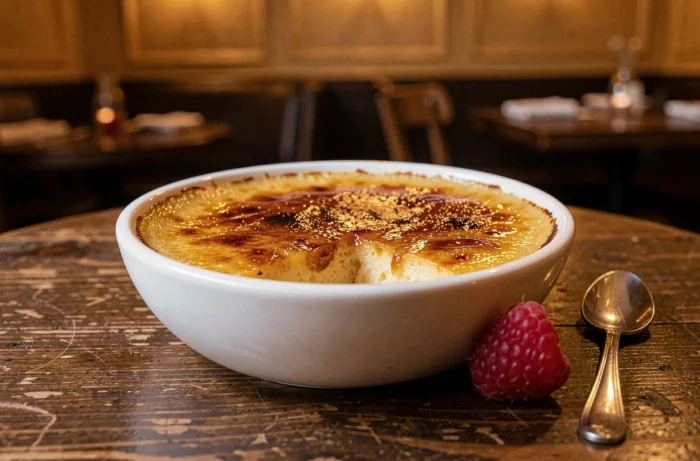
Crème brûlée is richer than most of the desserts on this list, but its natural serving size (one individual ramekin) keeps the portion in check. The contrast between the crisp caramel crust and the set custard underneath makes for a real treat in texture.
It is baked in a water bath, then chilled for several hours. The sugar is caramelized with a blowtorch or under the broiler just before serving. It is a good choice when guests expect a classic, elegant dessert, even after a hearty main course.
7. Lighter tiramisu
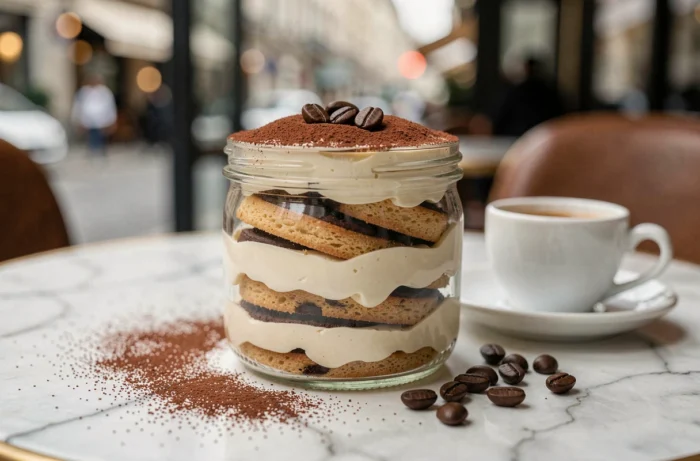
A lighter tiramisu replaces some of the mascarpone with fromage blanc or ricotta, reducing its richness while keeping its layered structure. The coffee-soaked biscuits bring a welcome bitterness after a savory meal.
Making it in individual glasses rather than one large dish makes it easy to control the portions. Preparing it the day before is even recommended: the flavors meld better after a night in the refrigerator.
8. Strawberry tart
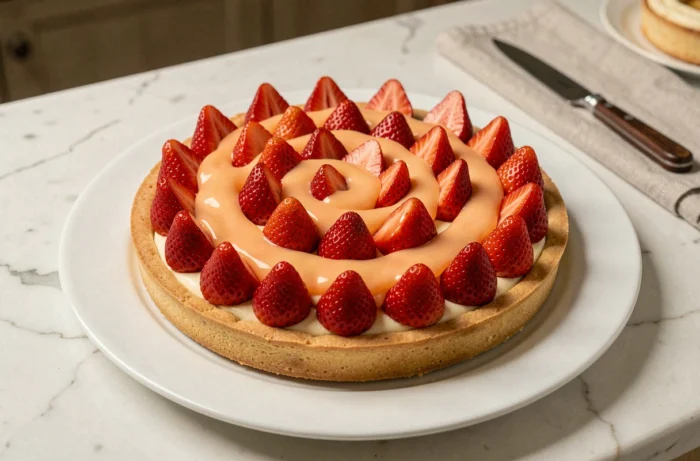
Strawberry tart is best in late spring or summer, when local strawberries are ripe. Its thin shortcrust pastry and light pastry cream make it a more substantial dessert, suited to celebratory meals.
The thickness of the cream layer makes all the difference: a thin layer keeps the dessert light. A thick layer turns the tart into a heavy dessert, exactly what you want to avoid after pot-au-feu. So it is best to use plenty of fruit and keep the cream to a minimum.
9. Pavlova
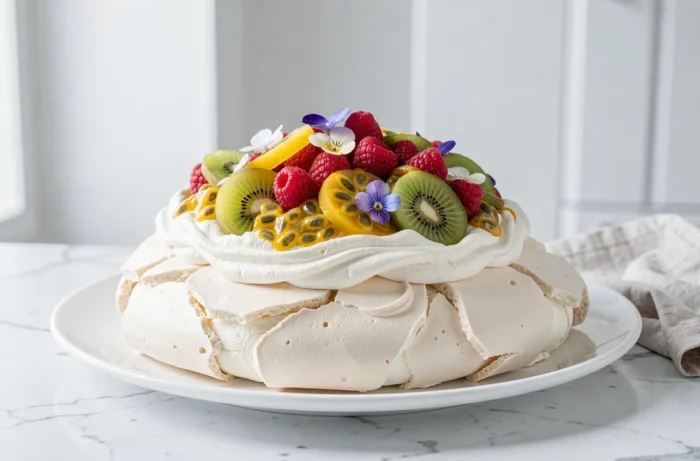
Pavlova is made with slowly baked meringue that is crisp on the outside and soft in the center. Topped with whipped cream and fruit, it looks generous without actually being too heavy. It is a showstopping dessert that can be cut into portions of different sizes.
The meringue can be made ahead and stored in an airtight container. Add the cream and fruit at the last minute to preserve the contrast in textures. Kiwis and clementines work just as well in winter as the traditional red berries.
10. Cherry clafoutis
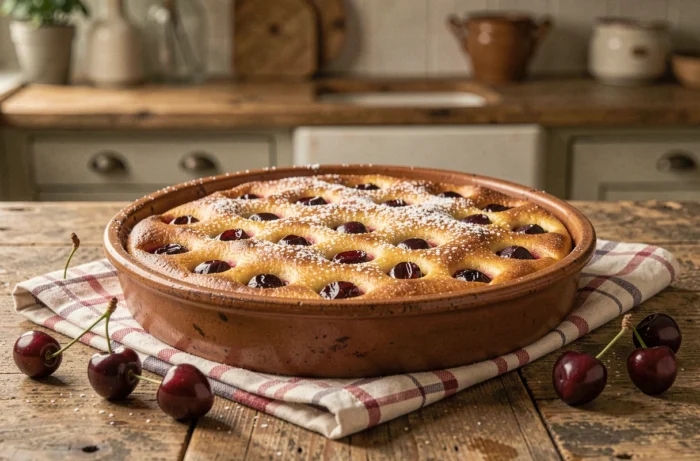
Clafoutis is an oven-baked custard made with eggs, milk and flour, with cherries baked into it. Its soft texture and almond flavor (traditionally imparted by leaving the pits in the fruit) make it a comforting yet restrained dessert.
This is a summer dessert, best saved for the months when cherries are available. Served warm in a small portion, it pairs well with springtime pot-au-feu. Out of season, cherries in syrup will do, but the result will be less tart.
11. Fruit bavarois
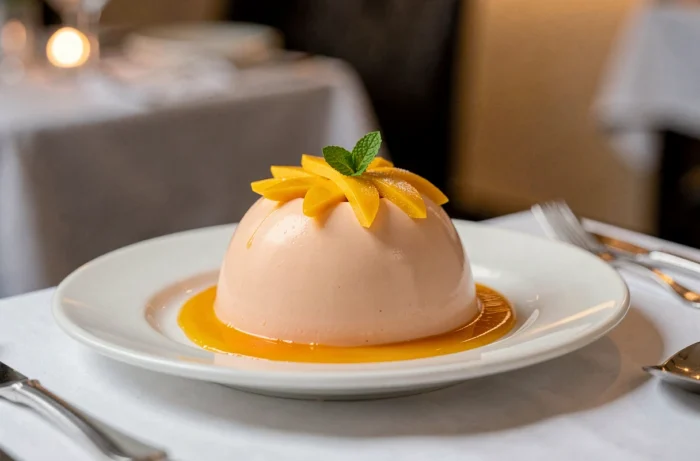
Bavarois combines crème anglaise, gelatin and fruit purée. The result is a molded dessert with a silky texture that holds its shape when sliced. Mango, raspberry or passion fruit add vibrant color and a pronounced flavor.
Like panna cotta, it can be made the day before. Its elegant presentation makes it suitable for occasions when pot-au-feu is served as a special meal. Fruit bavarois is an excellent alternative to cake when lightness matters more than elaborate pastry.
12. Grand Marnier soufflé
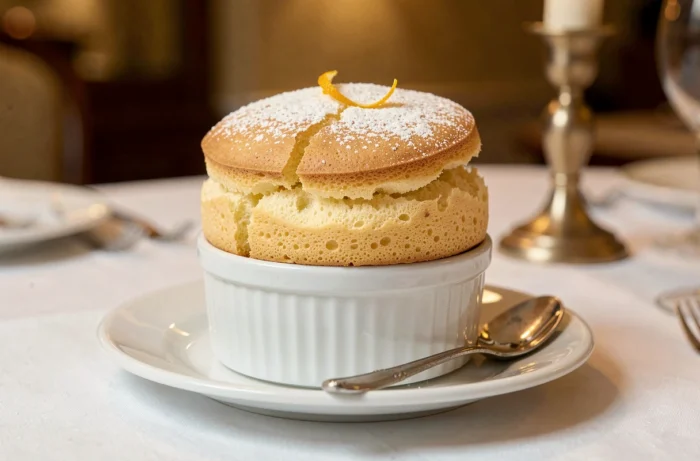
Soufflé is the only dessert on this list that requires precise timing: it must be served as soon as it comes out of the oven or it will collapse. This makes it unsuitable for late or casual dinners, but perfect for a carefully timed meal with just a few guests.
Its Grand Marnier-flavored pastry cream base, lightened with whipped egg whites, makes for an airy, fragrant dessert. The individual ramekin naturally limits the portion size. It is a choice for a host who wants to end the meal on a theatrical note.
13. Applesauce
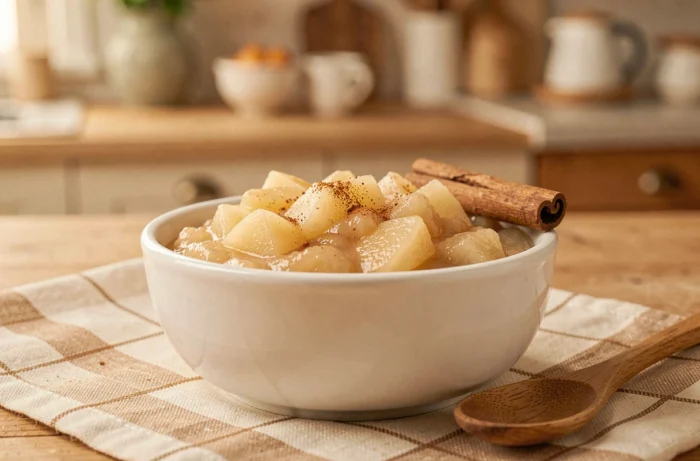
Applesauce is the simplest dessert in this selection. Chopped apples, a little water, a pinch of cinnamon or vanilla, then a gentle simmer. It keeps in the refrigerator for several days.
- It can be served cold, warm or at room temperature, making it easy to fit around the pace of the meal.
- It suits all ages and diets, with no common allergens (no eggs, dairy or gluten).
- It uses storage apples, which are available at local markets all winter.
After a hearty pot-au-feu served late, a small bowl of applesauce with a speculoos biscuit or a thin shortbread cookie rounds off the meal with no fuss.
14. Mille-feuille
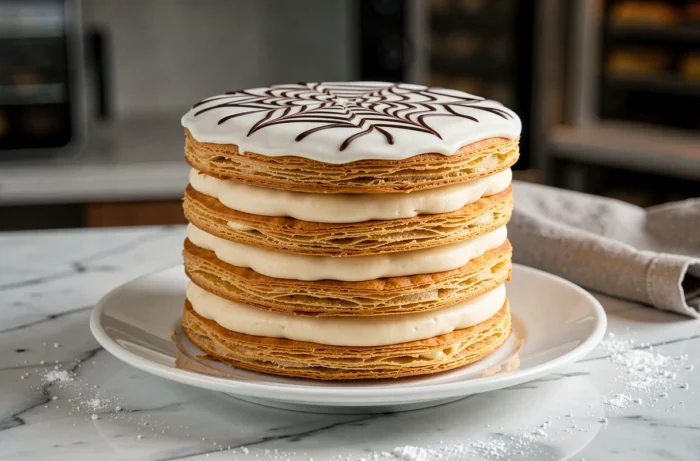
Mille-feuille is the most ambitious dessert on this list. Three layers of caramelized puff pastry, two layers of pastry cream and fondant icing: it is a full-fledged pastry in its own right. After pot-au-feu, it is only suitable in a smaller portion: an individual mille-feuille rather than a thick slice.
Homemade puff pastry takes time; store-bought puff pastry, baked between two trays to keep it thin and crisp, gives a respectable result. Mille-feuille is for gatherings where dessert is an event, not just a final course.
The guiding principle is the same whatever dessert you choose: after a dish as generous as pot-au-feu, portion size matters just as much as the recipe. A ramekin, a glass or a small bowl is enough. Dessert does not need to compete with the main course; it just needs to complement it.


