
Eating seasonal vegetables, walking after meals, going to bed at regular times: these familiar habits are based on principles that naturopathy brings together and structures. Far from being a catalogue of alternative remedies, this approach organizes lifestyle habits around three main pillars. The aim is not to replace medical care, but to support the body’s everyday functions through practical choices.
Diet and naturopathy: what “eating living foods” really means
Have you ever noticed that a meal made mostly of raw vegetables and whole grains feels different from a reheated processed meal? Naturopathy starts with this simple observation to build its first pillar: diet.
The idea is not to follow a strict diet. It is about choosing minimally processed foods rich in nutrients the body can absorb. Seasonal fruit and vegetables, semi-whole grains, legumes, and cold-pressed oils form the foundation.
A naturopath will look for food combinations that support digestion. For example, they may recommend avoiding heavy starches and animal proteins in the same meal, or adding fermented foods to support gut flora. As the experience of Didier Pinel, a naturopath in everyday practice shows, these adjustments can be introduced gradually without disrupting family routines.
Naturopathic eating is about food quality, not restriction. A colorful plate made with whole foods is the foundation. Everything else (portion sizes, meal frequency) can be adapted to each person’s routine.

The three pillars of naturopathy in everyday life
Naturopathy is traditionally based on three main techniques. Diet is the first, as discussed above. The other two are physical activity and stress management.
Physical activity suited to your body
The second pillar does not mean running a marathon. Naturopathy recommends regular movement suited to your fitness level. Walking for thirty minutes a day already activates the body’s main elimination functions: sweating, deep breathing, and stimulating bowel movements.
A naturopath will often suggest gentle activities such as brisk walking, swimming, or yoga. The idea is to boost blood and lymphatic circulation without putting excessive stress on the joints.
Stress management and sleep quality
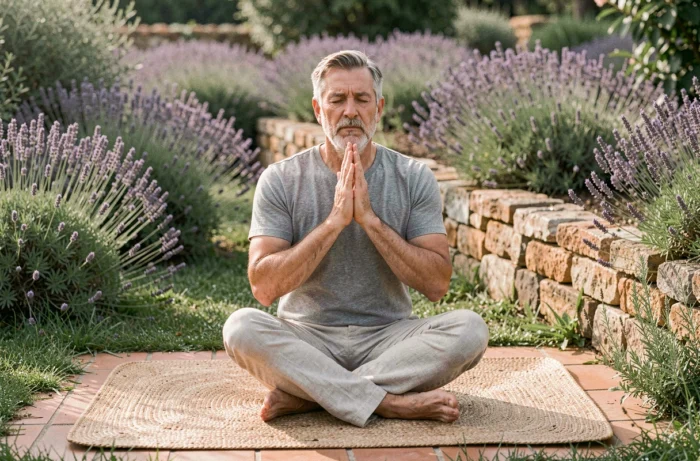
The third pillar focuses on nervous system balance. Abdominal breathing, relaxation techniques, and a calming bedtime routine are all intended to reduce the impact of chronic stress on the body.
Quality sleep is essential to the body’s ability to recover. Naturopathy emphasizes regular bedtimes, a cool, dark bedroom, and avoiding screens for at least an hour before bed.
These three pillars do not work in isolation. Eating better can improve sleep. Regular movement can reduce stress. Naturopathy brings these connections together in a coherent plan.
Naturopaths and doctors: what to know before booking a consultation
The title of naturopath is not regulated in France. No state diploma is required to practice. FÉNA (the French Federation of Naturopathy Schools), founded in 1985, offers a recognized training program and certifies practitioners through a federal certification day, but this remains a private initiative.
The distinction from a doctor is clear: a naturopath does not diagnose, prescribe, or treat illness. The French Public Health Code governs the illegal practice of medicine, and the DGCCRF has identified misleading claims in some non-conventional healthcare practices.
Anses warns that dietary supplements can cause adverse effects or interact with medications. The Ministry of Health advises against stopping any ongoing medical treatment and recommends consulting a doctor if your health gets worse.
Why make this distinction? Because incorporating naturopathy into everyday life means knowing where its scope ends. Lifestyle advice (diet, sleep, movement) does not carry the same level of risk as taking dietary supplements or concentrated herbal products.
- Check that the practitioner is certified by a recognized organization such as FÉNA, which brings together schools that pay close attention to the content of their training.
- Make sure they never ask you to stop ongoing medical treatment and that they refer you to a doctor if symptoms persist.
- Be wary of promises of a cure or claims that conventional medicine should be rejected, a concern highlighted by Miviludes.
Naturopathy and everyday eating: an example of a typical day
To make these principles more concrete, here is what a day structured around the pillars of naturopathy might look like.
In the morning, have a breakfast of fresh fruit, nuts and seeds, and a hot drink with no added sugar. Replacing coffee with rosemary or thyme tea can support digestion without overstimulating the nervous system.
At midday, have a meal centered on cooked and raw vegetables, a light source of plant or animal protein, and a semi-whole grain. In the evening, eat a lighter meal at least two hours before bed.
Between meals, take a twenty- to thirty-minute walk, preferably outdoors. Before bed, spend five minutes lying down with your eyes closed, breathing slowly and deeply into your abdomen.
Naturopathy does not ask you to change everything in a week. A naturopath guides you step by step, adjusting one thing at a time: breakfast first, then your sleep schedule, then physical activity. This gradual approach helps make changes last, whereas a radical lifestyle overhaul often falls apart after a few weeks.
Naturopathy provides a framework for organizing simple habits. Its value lies less in spectacular techniques than in the consistency between diet, movement, and rest. Each adjustment reinforces the others, as long as you stay within the scope of lifestyle habits and maintain medical care when needed.


