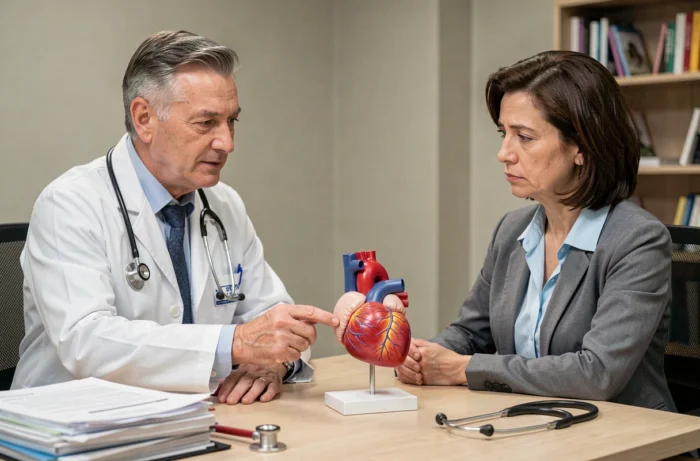
Cardiovascular disease remains the second leading cause of death in France, after cancer. It encompasses a wide range of conditions affecting the heart and blood vessels, from myocardial infarction to heart failure and stroke. Many of these conditions are linked to modifiable risk factors, making prevention central to care.
Heart attack and cardiac arrest: two emergencies not to confuse
Confusing a heart attack with cardiac arrest can delay the right response. A heart attack occurs when a coronary artery becomes blocked: deprived of blood, the heart muscle is damaged and eventually dies if nothing is done. The person is generally conscious and feels pain or discomfort in the chest, sometimes radiating to the left arm, jaw or back.
Cardiac arrest, on the other hand, is the sudden loss of the heart’s pumping function. The person loses consciousness, and their breathing becomes abnormal or stops. A heart attack can trigger cardiac arrest, but the two situations require different actions.
If a heart attack is suspected, the priority is to call 15 (SAMU) or 112 immediately, not to drive the person to the emergency department, and to keep them at rest. In the event of cardiac arrest, a bystander can act even without prior training: call emergency services, begin CPR and use an automated defibrillator if one is available nearby. The 15 operator will guide the bystander over the phone, step by step.
Specialist cardiology resources can help explain these mechanisms, such as the information available at https://www.francoeur.org, which provides details on heart conditions and their treatment.

Heart symptoms: knowing when to call 15
The classic crushing pain behind the breastbone is not the only warning sign. Atypical symptoms often go unnoticed, particularly in people with diabetes or older adults, who may have no pain or may experience other symptoms instead.
Several signs warrant prompt assessment:
- Unusual, sudden shortness of breath that is disproportionate to the effort and does not ease after a few minutes of rest.
- Persistent discomfort in the chest, upper abdomen, neck or jaw, accompanied by cold sweats or nausea.
- Feeling faint, dizzy or as if you are about to lose consciousness, especially if it occurs during exertion or when standing up.
- Sudden, unexplained fatigue that develops over a few hours or days and feels different from ordinary tiredness.
If in doubt, the rule is simple: call 15 or 112 rather than wait. The medical dispatcher will assess the situation over the phone and arrange the appropriate response. Driving yourself to the emergency department wastes time and risks a worsening of symptoms during the journey.
Blood pressure: why a single reading at the doctor’s office is not enough
High blood pressure is the most common risk factor for strokes and heart attacks. The 2024 European guidelines have refined how it is diagnosed. They now distinguish between “elevated blood pressure” and confirmed hypertension, which changes how it is managed.
A single reading during a consultation does not always reflect the true picture. Stress at the doctor’s office, arm position and time of day can all affect the results. The guidelines recommend confirming the diagnosis with home readings, taken using a validated upper-arm monitor, morning and evening for several days.
This out-of-office monitoring helps identify people whose blood pressure is normal at the doctor’s office but high in everyday life, and vice versa. It also informs treatment decisions: when hypertension is confirmed, lifestyle changes (reducing salt, exercising and limiting alcohol) do not necessarily replace medication. The decision depends on the blood pressure readings and overall cardiovascular risk, assessed with a healthcare professional.
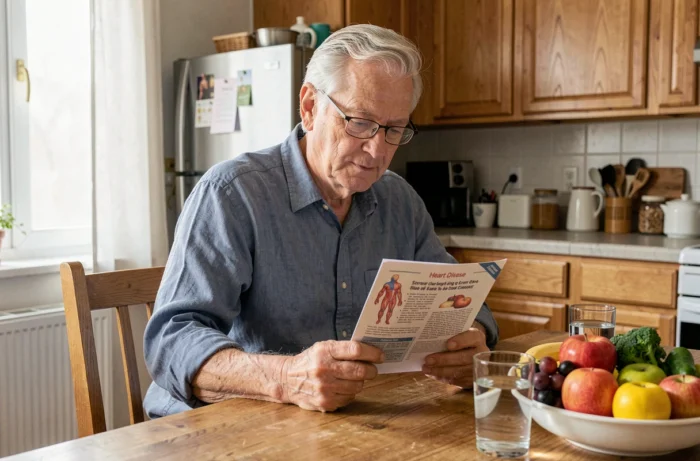
Modifiable risk factors: take action on what you can control
Non-modifiable factors (age, sex and family history) establish a baseline level of risk. Everything else comes down to choices and daily habits.
Smoking and heart risk
Smoking damages artery walls, promotes blood clot formation and accelerates atherosclerosis. Quitting reduces cardiovascular risk within the first few months, with benefits continuing to grow over the years. No level of smoking has been established as “safe.”
Diet and cholesterol
Excess LDL cholesterol contributes to the gradual narrowing of the arteries. Diet directly affects this. Cutting back on saturated fats (processed meats, full-fat cheeses and pastries), increasing fibre (legumes, whole grains and fruit) and eating oily fish regularly can help maintain a healthy lipid profile.
Physical activity and sedentary behaviour
Sedentary behaviour is an independent risk factor, regardless of weight. Brisk walking, taking the stairs and gardening: activity does not need to be intense to protect the heart. Consistency matters more than performance.
Chronic stress
Prolonged stress keeps blood pressure high and encourages risky behaviours (smoking, an unbalanced diet and alcohol use). Identifying sources of stress and finding suitable strategies (getting enough sleep, taking regular breaks and being physically active) all contribute to overall cardiovascular prevention.
Heart disease often progresses for years without any obvious symptoms. Regular checks of blood pressure, cholesterol and blood sugar, combined with healthy lifestyle habits, remain the most accessible way to reduce risk. If you notice an unusual symptom, the only real mistake is not picking up the phone.


