
A successful getaway isn’t measured by how many sights you tick off a list, but by how deeply you experience the place. Choosing activities based on what you genuinely enjoy, the local setting and the season can turn a simple trip into an unforgettable experience. Here’s how to plan your choices so every getaway leaves a lasting impression.
Make the journey the first activity of your getaway
Most travelers see getting there as dead time between departure and arrival. Turn that idea on its head, and the whole trip takes on a different character. Low-impact travel—walking, cycling and regional trains—is highlighted in French public resources on sustainable tourism precisely because it turns the journey itself into an activity.
A bike ride along a canal, a stretch of long-distance hiking trail or a scenic train journey already offers landscapes and sensations you simply don’t get from a car. The slower pace encourages you to pay attention in a different way: sounds, scents and changing light become part of the experience, rather than scenery glimpsed through a window.
Planning a point-to-point getaway where the journey is half the fun can also ease the pressure on the destination itself. There’s less need to cram in sightseeing on arrival when the journey has already made the trip worthwhile. Some of the activities offered by Aller Retour follow this approach, combining travel and discovery in a single experience.
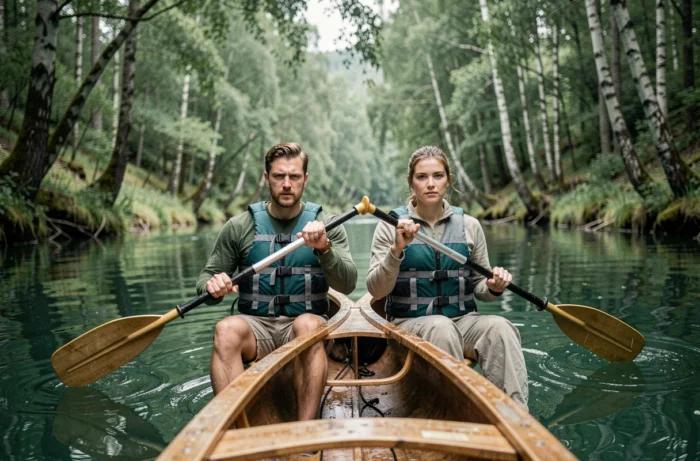
Immersive, sensory activities: go beyond sightseeing
The REJOLT network’s trends report describes experiences where sounds, textures, scents, light and even darkness play a full part in the activity. The key idea is sensory immersion: engage the whole body, not just the eyes.
In practice, this can take many forms depending on the destination:
- A local cooking workshop where you prepare market-fresh ingredients with a craftsperson who explains regional techniques. The flavors and hands-on experience make a stronger impression than a photo of the dish.
- A night in the great outdoors—an organized bivouac, a treehouse or a remote mountain refuge—that draws your attention to nighttime sounds, the temperature and the absence of artificial light.
- An introduction to a traditional craft such as pottery, plant dyeing or basket weaving, engaging your fine motor skills and giving you an object to take home.
These activities have one thing in common: they engage several senses at once, which helps make the experience more memorable. A two-hour workshop can leave a stronger impression than a full day of back-to-back guided tours at a brisk pace.
Choose depth over quantity
The usual instinct is to fit more activities into each day. The result is often fatigue that blurs your memories. Choosing just one immersive activity each day, with free time to wander, eat or simply take in your surroundings, makes for a more memorable getaway.
Off-season getaways: choose the timing as carefully as the destination
The time of year can affect the quality of an experience just as much as the destination itself. Reports on summer overcrowding in France—particularly in Occitanie, as covered by France 3 Régions—show that some places lose their appeal when visitor numbers surge.
Shifting your getaway by a few weeks, or deliberately choosing the shoulder season, opens up real possibilities. Prices drop, queues disappear and interactions with locals feel more spontaneous. A coastal village in October or a mountain resort in June offers a side of the destination most travelers will never see.
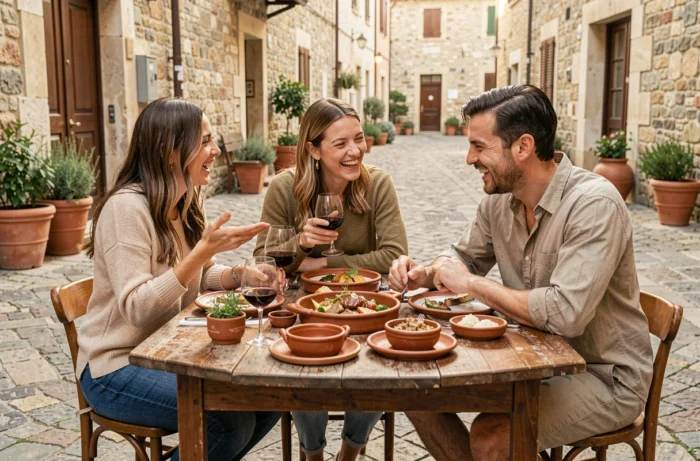
This timing also works well for outdoor activities. A forest hike in autumn, when the leaves change color and wildlife prepares for winter, offers a completely different experience from the same trail in August. Traveling off-season can turn an ordinary place into a discovery.
Getaways with friends or built around an event: let the group lead the way
A review published by Excelia, drawing on ibis/Globetrender and Kantar studies for SiteMinder, notes that young travelers are increasingly planning trips around a shared occasion: a concert, sporting event, festival or reunion with friends.
This approach changes how you choose activities. Instead of picking a destination and then looking for things to do, you start with an event or a group, and the destination follows. The main activity—the game, concert or competition—shapes the trip, while the extras, such as meals, walks and local discoveries, fall into place more naturally.
How social media influences activity choices
The same studies highlight the role of social media in inspiring travel. A place or activity spotted in a short video can prompt an immediate booking. This trend encourages variety: getaways are becoming shorter, more frequent and more focused. Rather than taking one big trip each year, people fit several micro-adventures into their calendar, each centered on a specific experience.
Tandem skydiving, a first scuba dive or a paragliding flight are perfect examples: one thrilling activity, one weekend, one vivid memory. Adventure doesn’t have to mean an expedition to the other side of the world.
In the end, the most reliable way to choose an activity is also the simplest: favor experiences that engage your body and senses over those that merely fill your schedule. A getaway built around two or three carefully chosen experiences, at the right time and in a format that suits your group, will leave a much deeper impression than an itinerary packed with sightseeing.


